Table Of Content
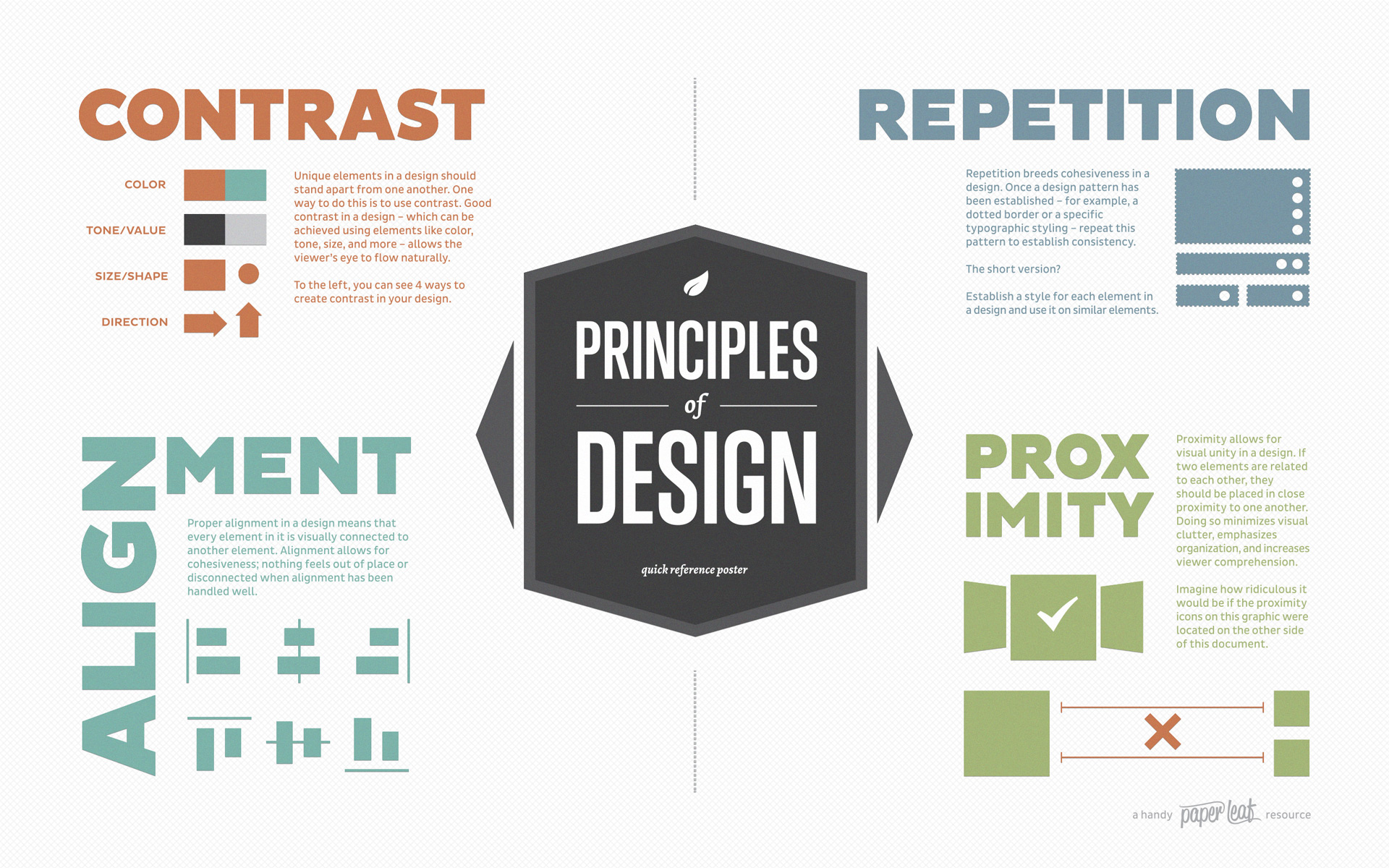
The beauty of this craft is that it’s accessible to all, given that they have a surface level understanding of its principles and the basic design elements. You can show variety through colors, shapes, images, different typefaces, and other design elements. Repetition refers to using the same or similar elements throughout your design, either in regular or irregular patterns.
How to Add Music to a Video in 4 Steps: Renderforest Guide 101
Like many kinds of art, graphic design has its basic principles and elements. The principles of design are the rules a designer follows to have a composition that’s just right. They help you create artwork that’s not only beautiful and eye-catching but also correct in ways professionals can see and viewers feel.
How to apply the principles of design
That includes the fonts used, their spacing, size, and weight, and the way different text elements relate to each other. Good typographic design is heavily influenced by all of the other design principles mentioned earlier in this article. In reality, there are roughly a dozen basic principles of design that beginning and expert designers alike should keep in mind when working on their projects. The main design principles are explained and illustrated below. Hierarchy in design refers to the arrangement of elements in a way that signifies importance. It guides viewers' eyes, ensuring they focus on primary information first, followed by secondary and tertiary details.

What is Graphic Design?
It’s entirely possible to create a good design without a thorough understanding of these elements and principles of design. Designers could save a lot of time and energy by practicing the principles we have discussed until they become second-nature. In this course, you will gain a holistic understanding of visual design and increase your knowledge of visual principles, color theory, typography, grid systems and history. You’ll also learn why visual design is so important, how history influences the present, and practical applications to improve your own work.
Repetition and Pattern
The elements of visual design — line, shape, negative/white space, volume, value, colour and texture — describe the building blocks of a product’s aesthetics. On the other hand, the principles of design tell us how these elements can and should go together for the best results. Many of the principles below are closely related and complement one another. By following basic principles of design like hierarchy, balance, unity, and variety, you can create digital products and graphic designs that people love to use. Visual design is about creating and making the general aesthetics of a product consistent. To create the aesthetic style of a website or app, we work with fundamental elements of visual design, arranging them according to principles of design.
Hyundai Engineering Secures Basic Design Contract for Pine Bluff GTL Americas Project - BusinessKorea
Hyundai Engineering Secures Basic Design Contract for Pine Bluff GTL Americas Project.
Posted: Thu, 21 Sep 2023 07:00:00 GMT [source]
Understanding the basics
Say, you’re working with text, and have chosen more than two or three typefaces and fonts, the entire composition will look all over the place. Your target audience won’t be able to concentrate on the information, and the whole design will turn out to be confusing. While repetition adds a sense of harmony to your design, variety keeps it interesting and prevents users from getting bored. It’s important to familiarize yourself with the most common eye movement patterns, F- and Z-patterns, and the layer cake pattern. F- and Z-patterns are more common on image-heavy pages, while the layer cake pattern is facilitated by lots of text with headings and subheadings.
The Principles of Design and Their Importance
Contrast can be achieved through color, shape, size, or similar properties of elements, and refers to the differences between them. Color contrast is often the first thing people think of, but differences in the sizes of elements, their shape, or some other property also create contrast. Be sure to leave some space around elements on your pages, especially the most important ones. This white space makes them stand out more and facilitates a better user experience. Asymmetrical balance is achieved when the elements on either side of a central axis aren’t the same. For example, you might have a large image on one side balanced out by prominent text on the other.
Beginning Graphic Design
For example, the famous World Wide Fund for Nature (WWF) logo makes use of the confusion between positive shape and negative space to create the image of a panda. Design principles are guidelines, biases and design considerations that designers apply with discretion. The principle of design used to govern the usage of white spaces comes into play with minimalist designs in a significant way.
Basic Visual Design Principles
You’re on a mission to find the golden mean — the path between consistency and emphasis. They aim to entice the reader by offering them a short glimpse of what they’re about to read. Due to how long we’ve been exposed to different typefaces, we’ve formed individual impressions about fonts. Some convey seriousness; others feel silly and unpresumptuous.
Balance is the most common and most important principle of every design. If you enforce unity across your creatives, your designs will begin to look dull and need more dynamism. Create refreshing pops in the sea of brand guidelines and color guides. Your brand intends to reach out to the masses, and if you do not have a design that can successfully achieve this, everything is in vain.
As a design principle, negative space is essential because it gives the elements in your composition room to breathe. Without white space, pages look cluttered and are hard to navigate. Principles of design give designers a set of guidelines for how to design visually appealing compositions that create wonderful user experiences. Learn 11 core principles of design and how to apply them to your graphic design work. Many beginning designers feel the need to pack every pixel with some type of “design” and overlook the value of white space.


No comments:
Post a Comment